Buf
Coherence™ Tube Buffer
$99.00
In stock
Description
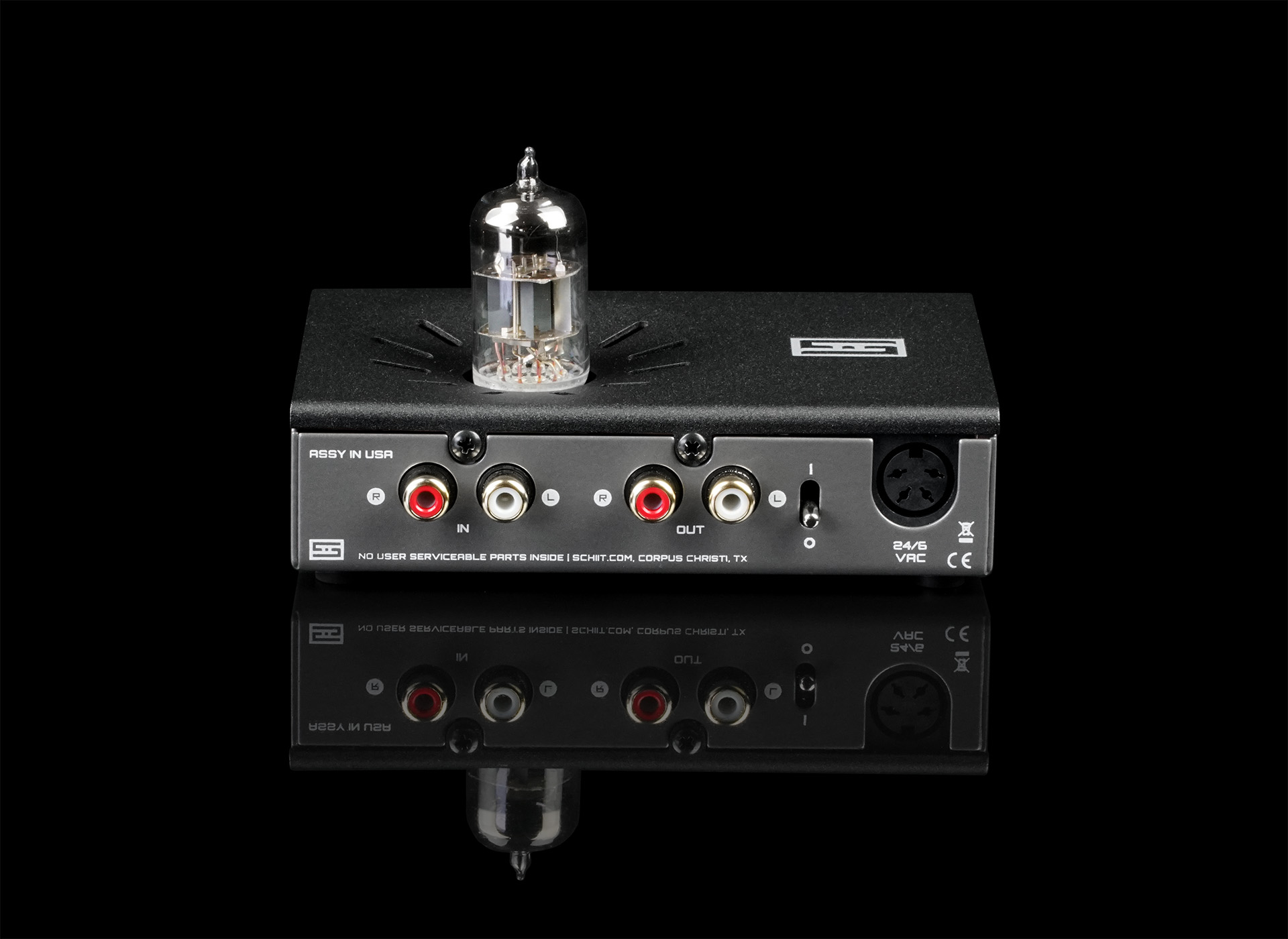
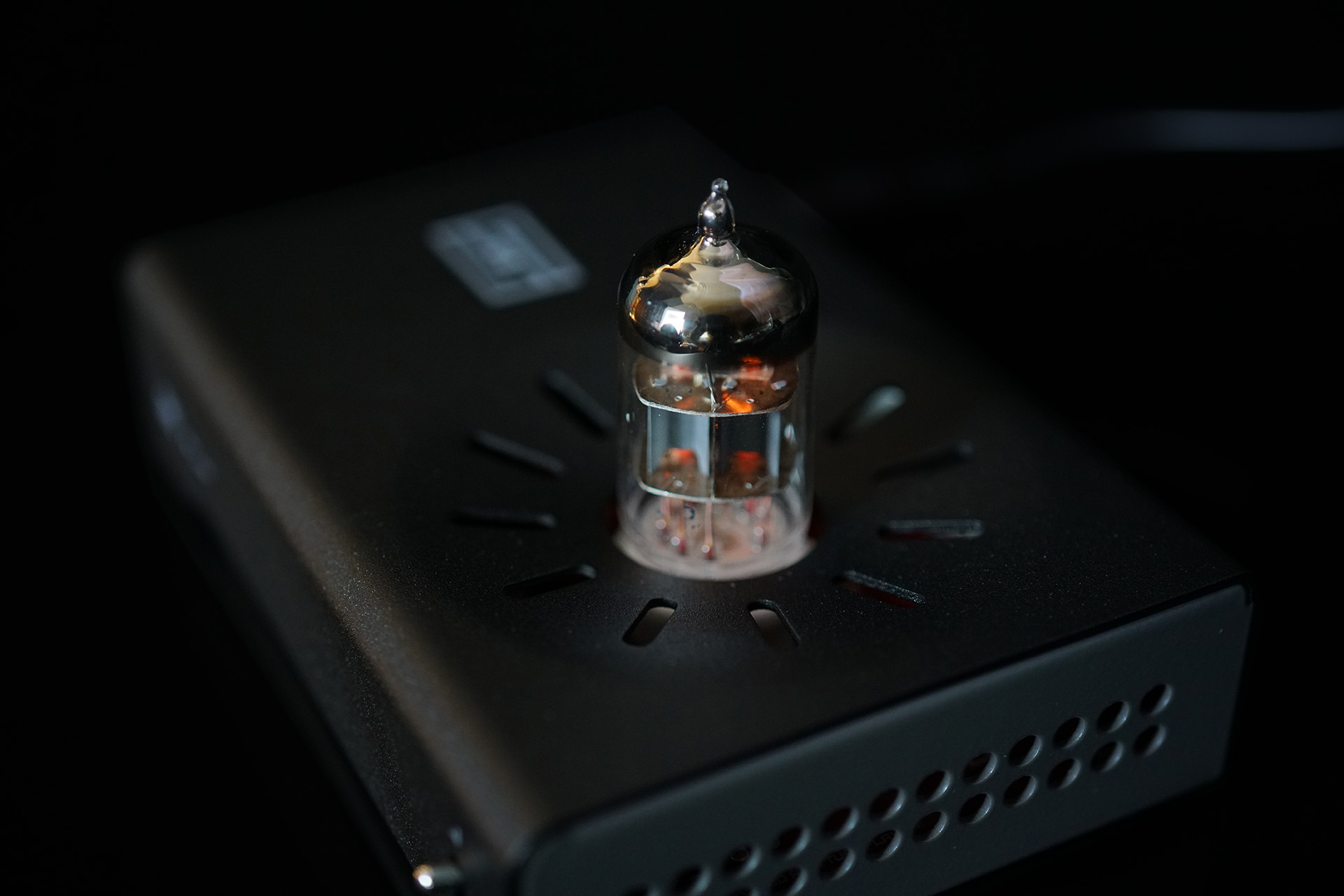
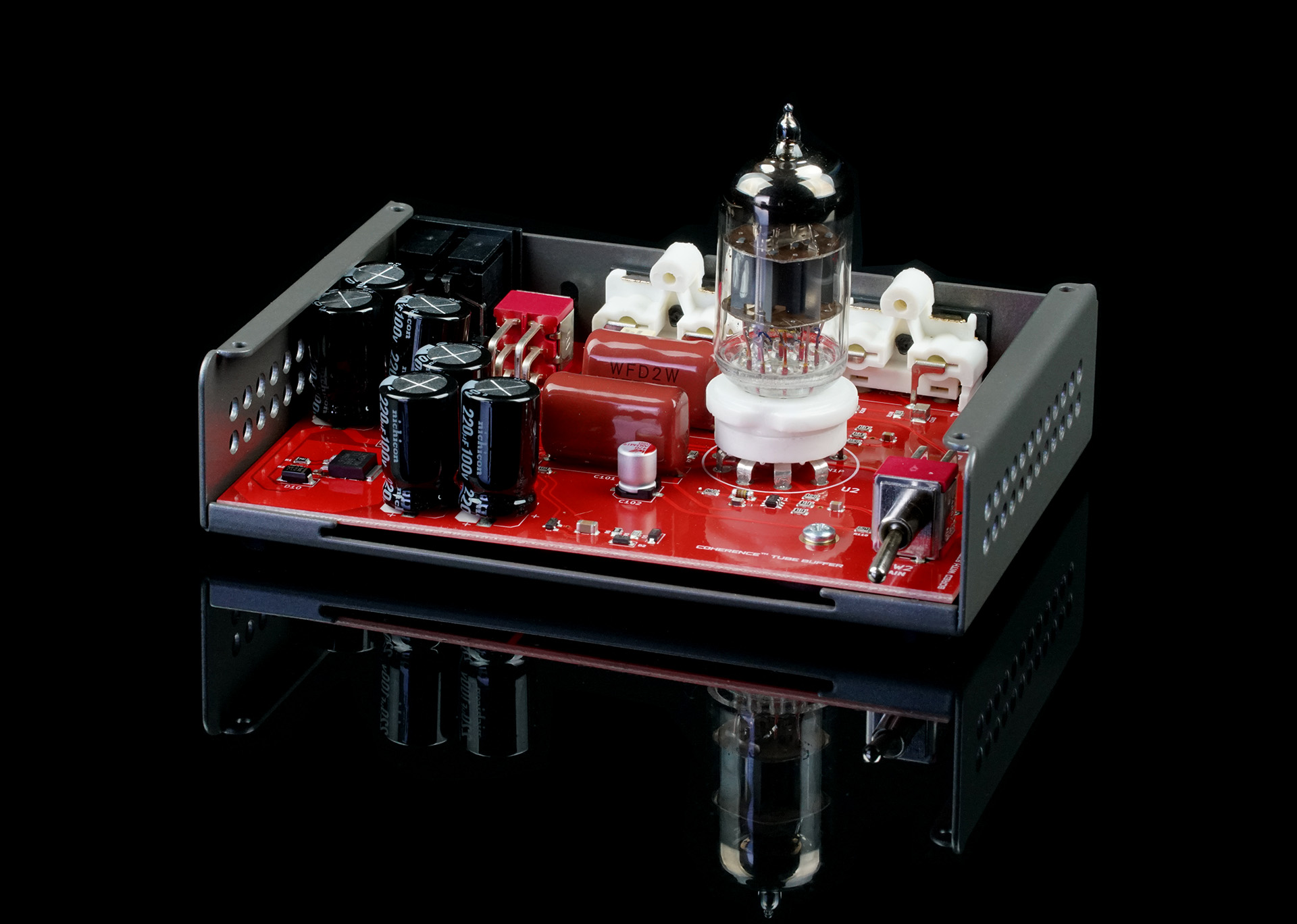
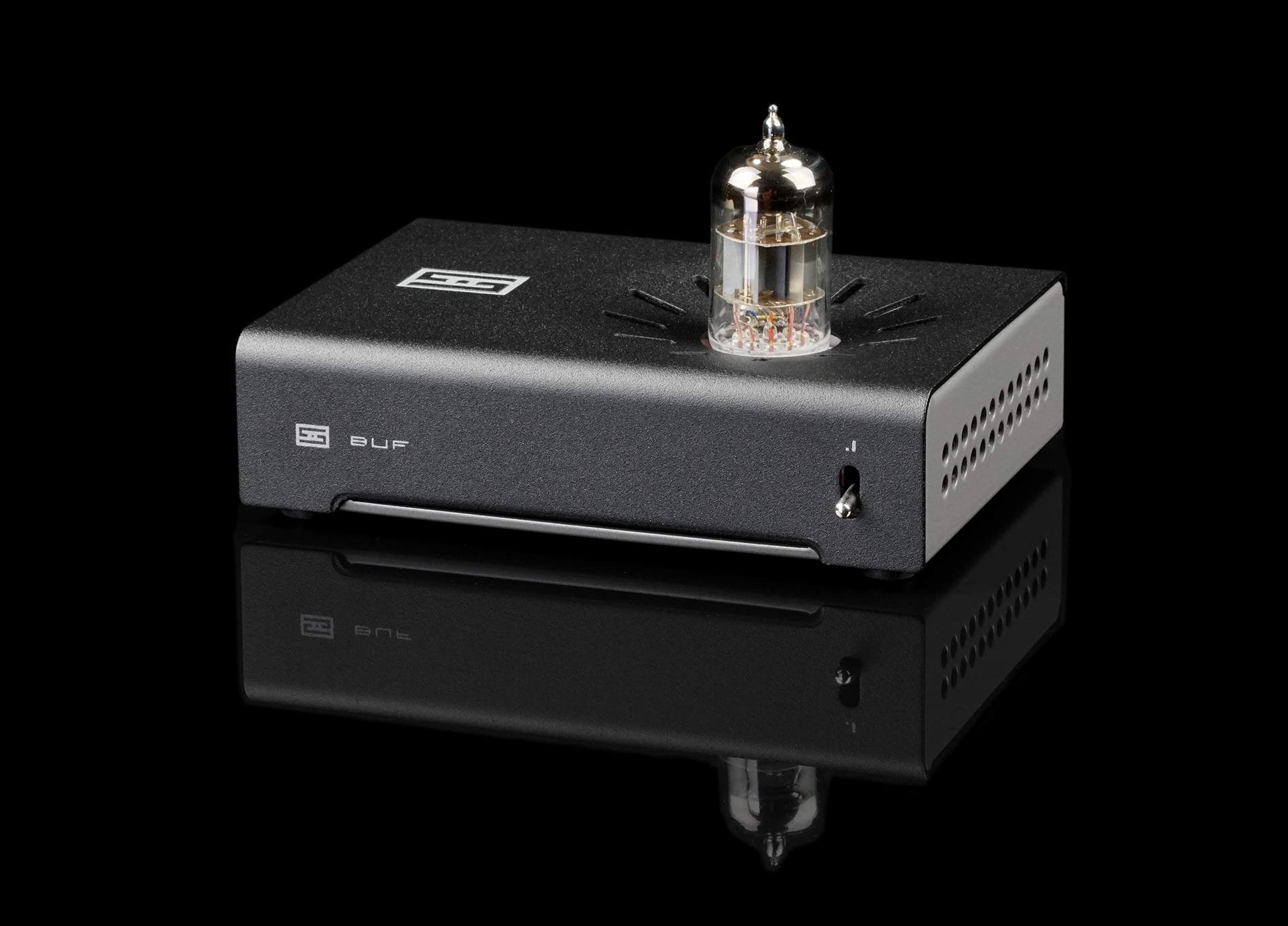
Bored with sterile sound? Add rich tube flavor with Buf! Music Beyond NumbersYeah you got lots of zeros. But are you enjoying your music? Buf makes it easy to add tube sound to virtually any system. Go ahead and try it for yourself! Affordable But SeriousBuf’s low price hides real tube cred. Buf is serious, with a unique Coherence™ output stage, 100V on the tube plate, Panasonic film capacitors, and a 100% linear power supply. No op-amps or switching power supplies here! Unique FlexibilityA tube buffer with gain? Yes. Coherence maintains absolute phase, and offers gain if you need it. That makes Buf more flexible than other tube buffers. And, it’s easily switched out of the system…just turn it off! Roll AwayBuf ships with an NOS 6N1P tube. But if you want to roll, you have options, including 6922, ECC88, and 6DJ8. Designed and Built in the USA. For Real.By “designed and built in the USA," we mean it. We even do our own PC board assembly on a state-of-the-art robotic assembly line in Corpus Christi. Industry-Leading 3-Year Warranty, 15-Day Easy ReturnsRelax with an industry-leading 3-year warranty (90 days on the tube). Don’t like your Buf? You can send it back for a refund, minus 15% restocking fee, within 15 days of receiving it.
Specifications
Low Gain (0dB) Frequency Response: 20Hz-20Khz, +/-1dBTHD: <0.5%, 20Hz-20KHz, at 1V RMSIMD: <0. 6%, CCIRSNR: >106db, A-weighted, referenced to 1V RMSCrosstalk: -90dB, 20Hz-20KHzHigh Gain (12dB)Frequency Response: 20Hz-20Khz, +/-1dBTHD: <0.2%, 20Hz-20KHz, at 1V RMSIMD: <0.4%, CCIRSNR: >97db, A-weighted, referenced to 1V RMSCrosstalk: -80dB, 20Hz-20KHzOutput Impedance: 75 ohmsInput Impedance: 470k ohmsMaximum output: 8.2V RMSTopology: Coherence™: tube voltage gain with convolved BJT inverter, run in Class AProtection: delayed start and fast shut-down with muting relayPower Supply: wall wart with 24VAC and 6VAC outputs, linear regulated HV and LV rails for tube and bipolar components, 6V AC heaterPower Consumption: 6WSize: 5 x 3.5 x 2.75”Weight: 1 lb
FAQ
Why do I need a tube buffer?Nobody needs a tube buffer. Nobody needs fancy audio of any kind. You need food, shelter, and lots of other Maslowian things before you get to audiophilia. Smartass. Why might I want a tube buffer, then?Lots of reasons:Because you’re tired of the sound you have Because you want to experiment with tube sound Because it’s cheap and fun So this will take my sterile-sounding, high-numbers rig and make it all ooey and gooey with a helping of rich tubiness?It’ll certainly wreck those numbers. And many people like the added tube sound. But I don’t want anything all hissy and hummy, and I heard tubes are noisy.Buf has a fairly low noise floor, but it ain't perfect. Hell, it has AC heaters. Still, it shouldn't be intrusive. But I do hear random noises when I stick my smartphone next to the tube, what’s that about?Engineers in the 1920s-1960s did not have time machines to go forward into the future and discover that some people would have multi-GHz transmitters in their pockets, so tubes don’t reject RF as well as modern devices. If they had had time machines, they probably wouldn’t be engineers. And they’d probably be so wealthy they could employ Elon as a pool boy. What about weird popping or hissing noises from my nearby smartphone or wifi router?Easy solution: move your phone or wifi router away from Buf. Is this a real tube design?Yes. Buf is a serious tube design, with an NOS 6N1P tube, quality parts like Panasonic film capacitors and MELF resistors, and a 100% linear power supply with 100V on the tube plate, and a dedicated 6VAC heater supply that can provide up to 600mA of current. Are there any opamps in there?Nope. But I see things besides tubes in the chassis. What are they?Little packages of magic. Har har. Pretend I’m an engineer and explain, please.Buf uses our Coherence™ topology, the same as Vali 3 and Lyr 5. This topology combines a tube and a discrete BJT to create a uniquely flexible gain cell. That’s why Buf is the only tube buffer that offers gain and doesn’t invert the signal phase. So yes, there’s a transistor in there as well (and, to be technical, another transistor used as a diode). Those are the extra parts. This thing’s wayyyyy cheap. How can it be any good?Why does something have to be expensive to be good? The reality is, tube buffers are simple. Buf uses very high-quality parts in a simple design, made efficiently. It shouldn’t cost a lot. Tubes wear out. How do I deal with that?You replace the tube when it starts being noisy or sounding unbalanced. We sell single 6N1P replacement tubes, but there are tons of other options out there, many at lower cost. How long do tubes last?The standard answer is “about 5000 hours.” This is continuous on time, so turn off Buf when you’re not using it. What kind of tubes can I use in Buf?Buf uses any tube with a standard 6922 pinout, up to 600mA heater current. This means 6N1P, 6922, ECC88, and 6DJ8, amongst others. Want simplicity? Stick with the stock tube. How do I connect this thing?There are two basic ways: How do I use this?It’s easy. Turn it on to engage Buf. Select low or high gain as you like. That’s it. How do I bypass Buf?Turn it off. An internal relay will connect the inputs to the outputs, bypassing Buf. What is a Buf? That doesn’t sound very Norse?Buf, like SYS and Pyst, is a name we started using early in development and then it stuck. It’s not Norse at all. But if you want to “Buf” up your system a bit, maybe there’s nothing better. Har. Har har.